

At The Law Offices of Greta Gonzalez, we recognize the intricate complexities of civil litigation and the profound impact it can have on your life. Legal disputes can disrupt your equilibrium, cause emotional strain, and pose financial challenges. This is why we stand ready to be your unwavering advocate, tirelessly fighting for your rights and pursuing the justice you rightfully deserve.
With our extensive experience in civil litigation matters, we have successfully navigated a diverse array of cases in Miami, representing a multitude of clients. Our dedicated team meticulously scrutinizes the nuances of your situation, assembling compelling evidence, and collaborates with distinguished experts to craft a robust legal strategy tailored precisely to your unique circumstances.
Transparent communication is a cornerstone of our practice. Throughout the legal journey, we remain committed to keeping you apprised of case developments, answering your queries, and alleviating any concerns you may harbor. Our dedication to providing personalized attention underscores our profound respect and empathy, especially during challenging times.
By engaging The Law Offices of Greta Gonzalez, you enlist a stalwart ally that relentlessly advocates for your cause. Our adept attorneys are adept at reaching equitable settlements through negotiations, yet we’re also prepared to litigate your case vigorously should the need arise. Our unyielding commitment to your best interests compels us to explore every legal avenue to ensure you secure the maximum compensation encompassing medical expenses, lost wages, emotional distress, and additional damages.
Today, we extend an invitation to initiate a consultation with our seasoned team. Allow us to lend an empathetic ear, evaluate the nuances of your case, and provide you with unequivocal guidance on the optimal course of action. Bear in mind, the time constraints on filing civil litigation claims necessitate prompt action to safeguard your rights.
Place your trust in The Law Offices of Greta Gonzalez as your dedicated legal partner in Miami. We stand ready to shoulder the legal burdens, tirelessly champion your quest for justice, and assist you in rebuilding your life through the intricacies of civil litigation.

Civil litigation refers to legal disputes between individuals or entities that seek compensation or specific remedies rather than criminal penalties. It involves filing lawsuits, discovery, negotiation, and potentially going to trial. Unlike criminal cases, the goal of civil litigation is often to resolve conflicts and recover damages.
The duration of a civil litigation case in Florida varies widely based on factors such as the complexity of the case, court availability, and willingness to settle. Some cases can be resolved within a few months, while more complex cases might take a year or more. Your attorney can provide a more accurate estimate based on the specifics of your case.
Civil litigation covers a broad spectrum of cases, including contract disputes, personal injury claims, real estate disputes, business disagreements, employment issues, and more. If you believe your legal rights have been violated or if you seek compensation for a harm suffered, you might have a civil litigation case.
Yes, many civil litigation cases in Florida are resolved through negotiated settlements before reaching trial. Settlements offer parties more control over the outcome and can save time and expenses. Your attorney can guide you through settlement negotiations, ensuring your interests are protected.
If you win your civil litigation case, you may be entitled to various remedies, including monetary compensation (damages) or specific performance (enforcing a contract). The court will issue a judgment in your favor, and the losing party may be required to comply with the court’s decision or pay the awarded damages.
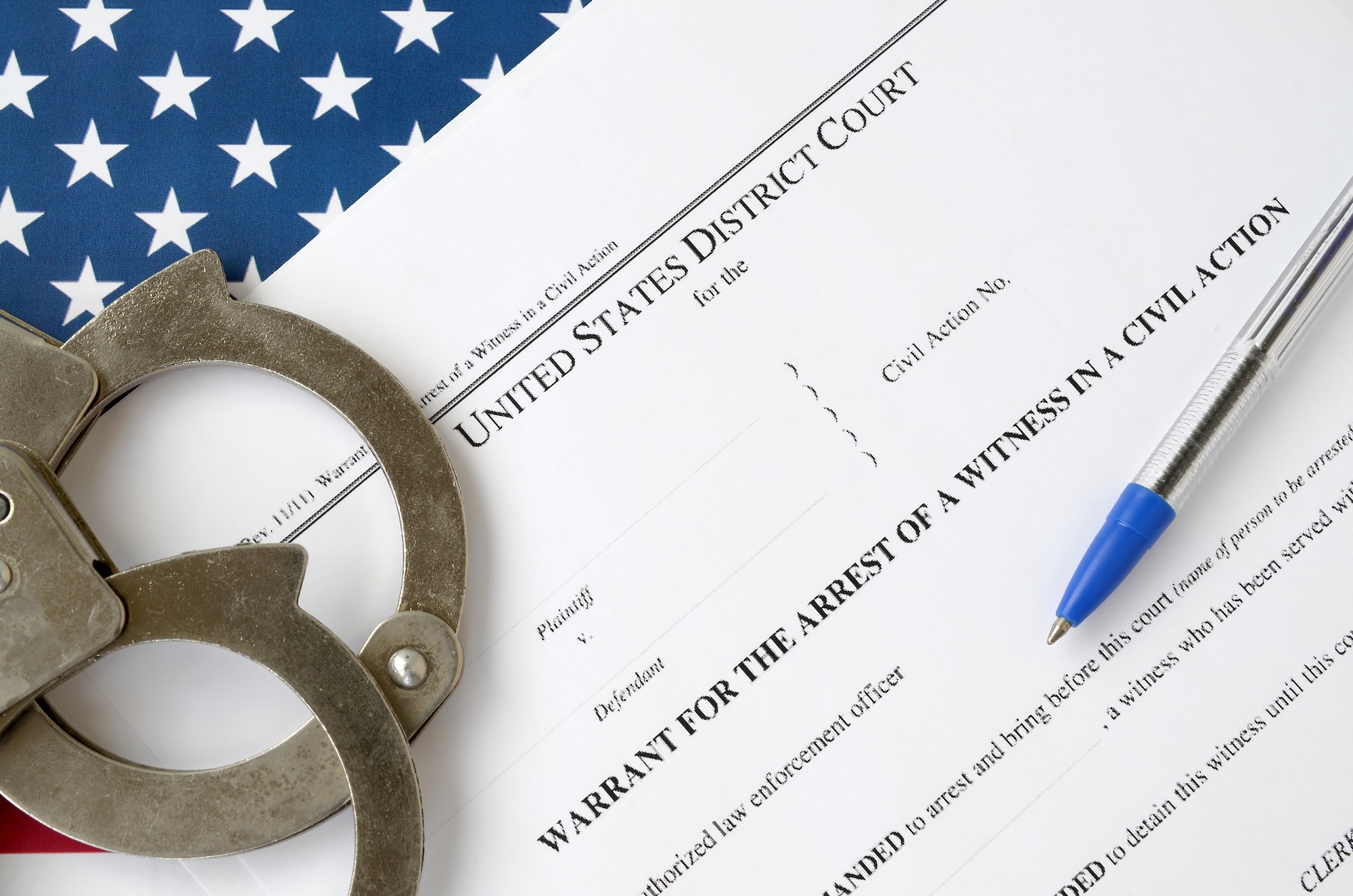
Civil rights are fundamental rights and freedoms that protect individuals from discrimination, unfair treatment, and government abuse. They ensure equal access to opportunities and protect against violations of personal liberties. Civil rights play a critical role in promoting justice, equality, and a just society.
Civil rights services cover a range of cases involving discrimination, harassment, police misconduct, First Amendment rights, voting rights, and more. These cases may include racial, gender, disability, or religious discrimination, as well as violations of freedom of speech or assembly.
If you believe your civil rights have been violated, it’s important to assess whether you have experienced discrimination or unequal treatment based on a protected characteristic. If you’ve been subjected to unfair actions by government entities, law enforcement, employers, or others, you may have grounds for a civil rights case.
If you suspect your civil rights have been violated, consider the following steps:
Pursuing a civil rights case can lead to various outcomes, depending on the circumstances. Successful cases may result in compensation for damages suffered, policy changes to prevent future violations, injunctions to stop discriminatory practices, or public awareness of the issue. Your attorney can help determine the most suitable course of action based on your goals.

Commercial litigation involves resolving legal disputes related to business transactions, contracts, partnerships, intellectual property, and other commercial matters. You might need commercial litigation services if you’re facing disputes over contracts, business agreements, regulatory compliance, or intellectual property rights.
The duration of a commercial litigation case can vary widely based on factors such as the complexity of the case, court availability, and willingness to settle. Some cases might be resolved within a few months through negotiation, while more intricate cases could take a year or longer if they go to trial.
The outcomes of a commercial litigation case can include negotiated settlements, court judgments, or arbitration decisions. Successful outcomes might result in financial compensation, injunctions, specific performance of a contract, or resolution of business disputes.
Yes, many commercial litigation cases are resolved through negotiated settlements outside of court. Settlements can be advantageous as they offer parties more control over the outcome and often save time and expenses. Your attorney can guide you through settlement negotiations to ensure your interests are protected.
When selecting an attorney for your commercial litigation case, consider their experience in handling similar cases, their track record of success, their familiarity with relevant business laws, and their communication style. Schedule consultations to discuss your case, evaluate potential strategies, and determine if you feel comfortable working together.

Defamation refers to making false statements about someone that harm their reputation. It can occur through spoken (slander) or written (libel) communication. If you believe someone has made false statements about you that have caused damage to your reputation, you might have grounds for a defamation case.
To succeed in a defamation case, you typically need to prove the following elements:
Yes, several defenses may be used against a defamation claim, including:
Yes, social media posts, online reviews, and other digital content can be considered defamatory if they meet the criteria for defamation. False statements made on social media platforms or websites that harm your reputation may be subject to legal action.
If you win a defamation case, you may be eligible to recover various damages, including compensatory damages (financial compensation for harm to reputation), punitive damages (awarded to punish the defendant for their conduct), and legal fees. The specific damages depend on the circumstances of your case and applicable laws.

Money seizure refers to the legal process by which authorities confiscate funds or assets from individuals or entities suspected of engaging in illegal activities, such as money laundering, fraud, or criminal enterprises. The seized funds are typically held as evidence during investigations or may be subject to forfeiture if linked to criminal activity.
Money seizure usually involves law enforcement or government agencies obtaining a court order or warrant to freeze or seize funds suspected of being linked to criminal activity. The process may vary based on jurisdiction and the specific laws governing asset forfeiture.
In many cases, money seizure occurs after an investigation has identified suspicious or illicit activity. Law enforcement or regulatory agencies may seize assets after obtaining evidence or reasonable suspicion of criminal involvement. However, specific procedures and requirements must be followed to ensure individuals’ due process rights are protected.
If your money has been seized, you may have legal options to contest the seizure. It’s essential to consult with an attorney experienced in asset forfeiture cases. You may need to file a claim, provide evidence of the legitimate source of the funds, and challenge the grounds for the seizure.
Depending on the circumstances, you may be able to reclaim your seized money if you can demonstrate that it was obtained legally and is not connected to criminal activity. Successfully contesting a money seizure can be complex, and having legal representation is crucial to navigate the process effectively.